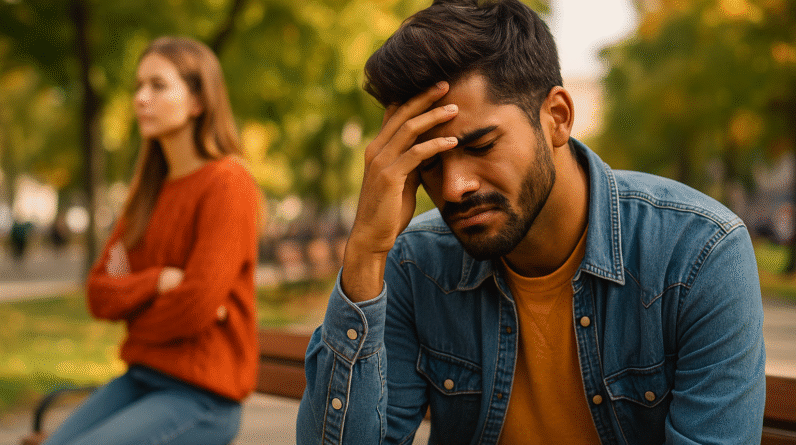
It might have been a short message.
A breakup you didn’t see coming.
A date that went nowhere.
Or someone you trusted simply disappearing without explanation.
Whatever form it takes, rejection is painful. It can shake your confidence, trigger shame, and leave you questioning your worth. Even when you know the other person wasn’t right for you. Even when the relationship was short. Even when it wasn’t personal… it feels personal.
So why does rejection hurt so much?
Let’s take a look at the emotional psychology behind rejection, why it cuts so deep, and how to begin healing without turning the pain inward.
Rejection Hurts Like Physical Pain
You’re not imagining it.
Research has shown that the brain processes rejection using the same neural pathways it uses to register physical pain. That’s why your chest tightens, your stomach drops, or your whole body goes tense.
This isn’t just poetic language… it’s biology. Emotional pain and physical pain activate the same brain regions. Which is why “just get over it” never really works.
It Challenges Your Sense of Belonging
At its core, rejection threatens connection. And connection is wired into us.
Being accepted — emotionally, socially, romantically — signals safety to your nervous system. Rejection does the opposite. Even subtle rejections can send a message: You’re not wanted here.
And that hurts. Not just emotionally, but existentially. It brushes up against something primal in all of us — the longing to be seen, valued, and chosen.
It Echoes Older Wounds
Rejection rarely stands alone.
It often taps into a deeper ache: a parent who kept you at arm’s length, a high school crush who disappeared, a friend group you never quite fit into.
When rejection shows up now, it can reawaken all of those layers. That’s why the pain can feel so disproportionate. You’re not just reacting to what happened today. You’re responding to a lifetime of “not enough.”
The Mind Craves Closure
Modern rejection often comes without clarity.
People ghost. They send mixed signals. They offer half-answers or none at all. Your brain, desperate for resolution, spins through endless questions:
- What did I do wrong?
- Was I not enough?
- Did I misread everything?
That looping narrative creates anxiety, self-doubt, and emotional exhaustion. The pain isn’t just from the loss — it’s from the silence that follows it.
It Can Shake Your Identity
Even a short relationship can stir up shame.
Suddenly you’re wondering:
- Was I too much?
- Did I ruin it?
- Do I always push people away?
You start to see yourself through the lens of someone else’s decision. Even if they never spoke a harsh word, their absence can feel like a verdict. And if they did say something cruel… that hurt tends to stick.
The Approval Trap
Even if you’re usually confident, it still stings to feel unwanted.
I’s part of being human. We all want to be chosen. But when your worth gets tangled up in someone else’s attention, their rejection can feel like confirmation of every secret fear you’ve had about yourself.
Especially if that person once made you feel loved. The contrast makes the fall even harder.
Rejection Feels Like Judgment — Even When It’s Not
Someone walks away, and you tell yourself it’s because of you.
But most of the time, rejection is about fit and not failure. Maybe the timing was off. Maybe they weren’t emotionally available. Maybe their fears got the better of them.
That doesn’t make you unworthy. It just means the connection wasn’t aligned. And even if you know that… it can still take a while for your heart to catch up.
How to Start Healing From Rejection
Here are a few things that can help:
Feel It Without Getting Stuck In It
Let yourself cry. Write. Move. Let the emotions move through you. But don’t let the pain become your identity. You’re allowed to hurt and still keep going.
Stop Blaming Yourself
When your mind starts rewriting the story to make it your fault, hit pause. Say out loud if you have to: Their choice does not define my worth.
Don’t Watch Their Life Unfold
Even if you weren’t blocked, stop checking their updates. Watching their highlight reel doesn’t help you heal. It just reopens the wound.
Talk to Someone Grounded
Find a friend or mentor who can hold space for both your grief and your perspective. Someone who won’t dismiss your pain, but won’t fuel your worst fears either.
Rebuild Quietly, Gently, and Daily
You don’t need a makeover or a grand reinvention. Just small, steady acts of self-respect:
- Showing up to your life
- Moving your body
- Creating something
- Connecting with people who care
Every one of those acts is a step back toward yourself.
You’re Still You, Even After Rejection
You were someone before they said no. You are someone after they left.
Rejection will never feel good. But it can show you something valuable: about what you long for, what you believe, and what you’re worthy of.
Every good relationship starts with simple steps. Some couples grow stronger by practicing these habits together; others circle back after time apart with new clarity. If you’d like to explore what a second chance could look like here’s where you can learn more.